Advocacy Approach
To avoid the environmental and business risks of inaction and to achieve the aspiration of developing a national solution for collecting and recycling lubricant packaging, leading NLCRC branded members supported the launch of Interchange 360, an industry-specific program for collection, recycling, and disposal of lubricant packaging in the U.S.
To enable the success of this program, the NLCRC is a leading an EPR advocacy program for lubricant packaging, leveraging industry-specific program expertise and data-driven decision making.
Our strategy relies on direct advocacy efforts and coalitions at the state and federal levels, prioritizing packaging EPR legislation and lubricant products subject to HHW EPR legislation.

EPR Advocacy Program
Legislative Monitoring
Direct Engagement and Lobbying
Other Topics Monitored for Potential Advocacy
-
Packaging increasingly needs to communicate messages to consumers and others, particularly about proper disposal methods. Emerging legislation seeks to add clarity to packaging claims.
-
There is a lack of consistency from state to state regarding the definition of recycling, resulting in numerous challenges for hard-to-recycle materials, including the inability to build market-based solutions.
-
Often referred to as PCR, whereby minimum thresholds of recycled material must be included in original packaging. The types of recycled content inputs and outputs vary among policies and recycling technologies
-
Refers to obligations to use less material in existing packaging formats and/or to transition from one material type to another, including material bans. T
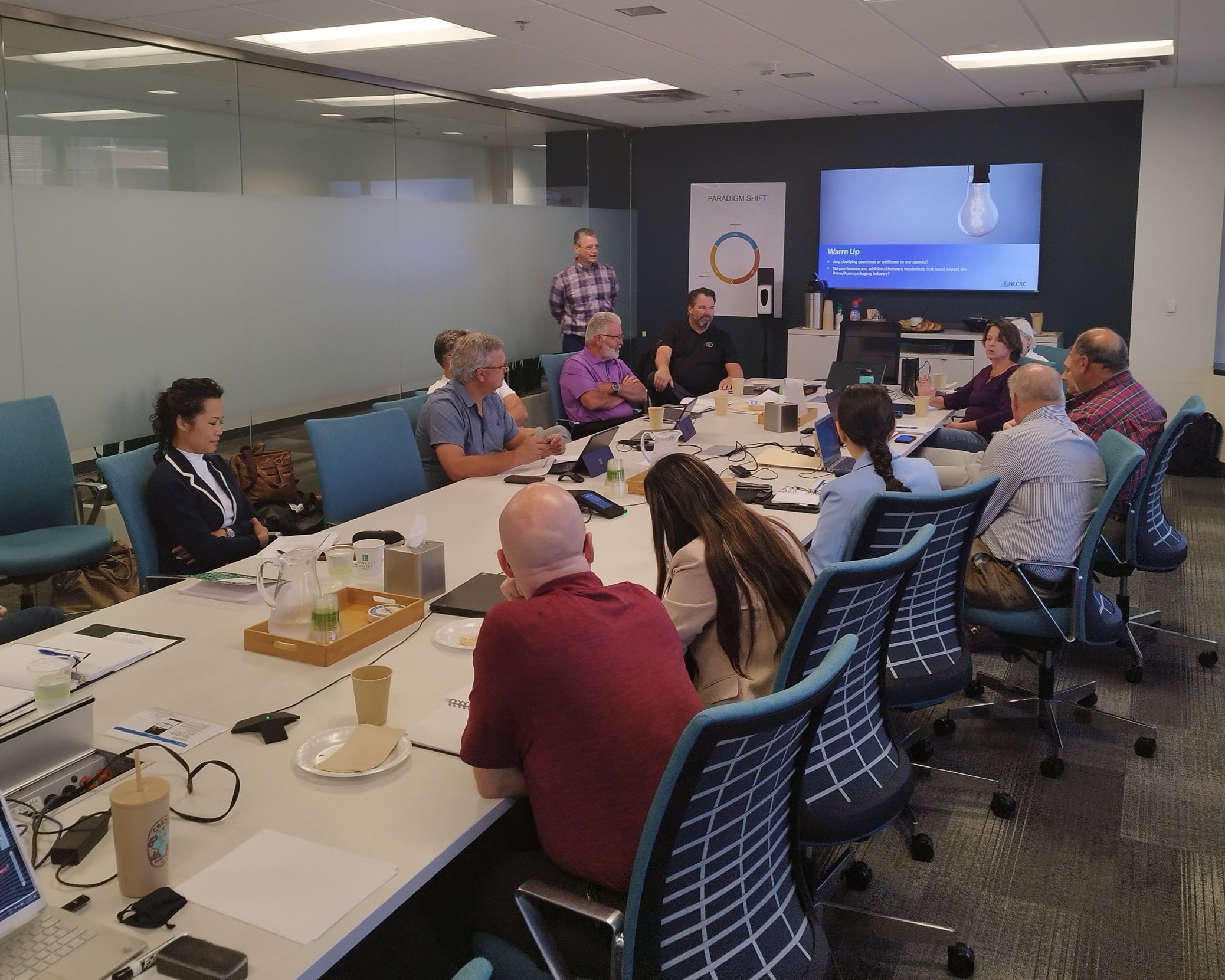
Our advocacy initiatives are a collaborative effort, with NLCRC staff, consultants, and members actively engaging in committees and working groups.
Stakeholder Education