

Extended Producer Responsibility (EPR) Policies
The patchwork of emerging state EPR laws creates challenges for producers and members of the value chain as they attempt to understand reporting obligations, implications to packaging design, and other requirements. By establishing principles, the NLCRC offers a steady value system, helping its members make practical business decisions and stay true to its purpose
Multiple PROs for Hard-To-Recycle Packaging
The NLCRC supports packaging EPR that enables Producers to have more than one option for compliance by allowing multiple Producer Responsibility Organizations (PROs) to be approved in each state.
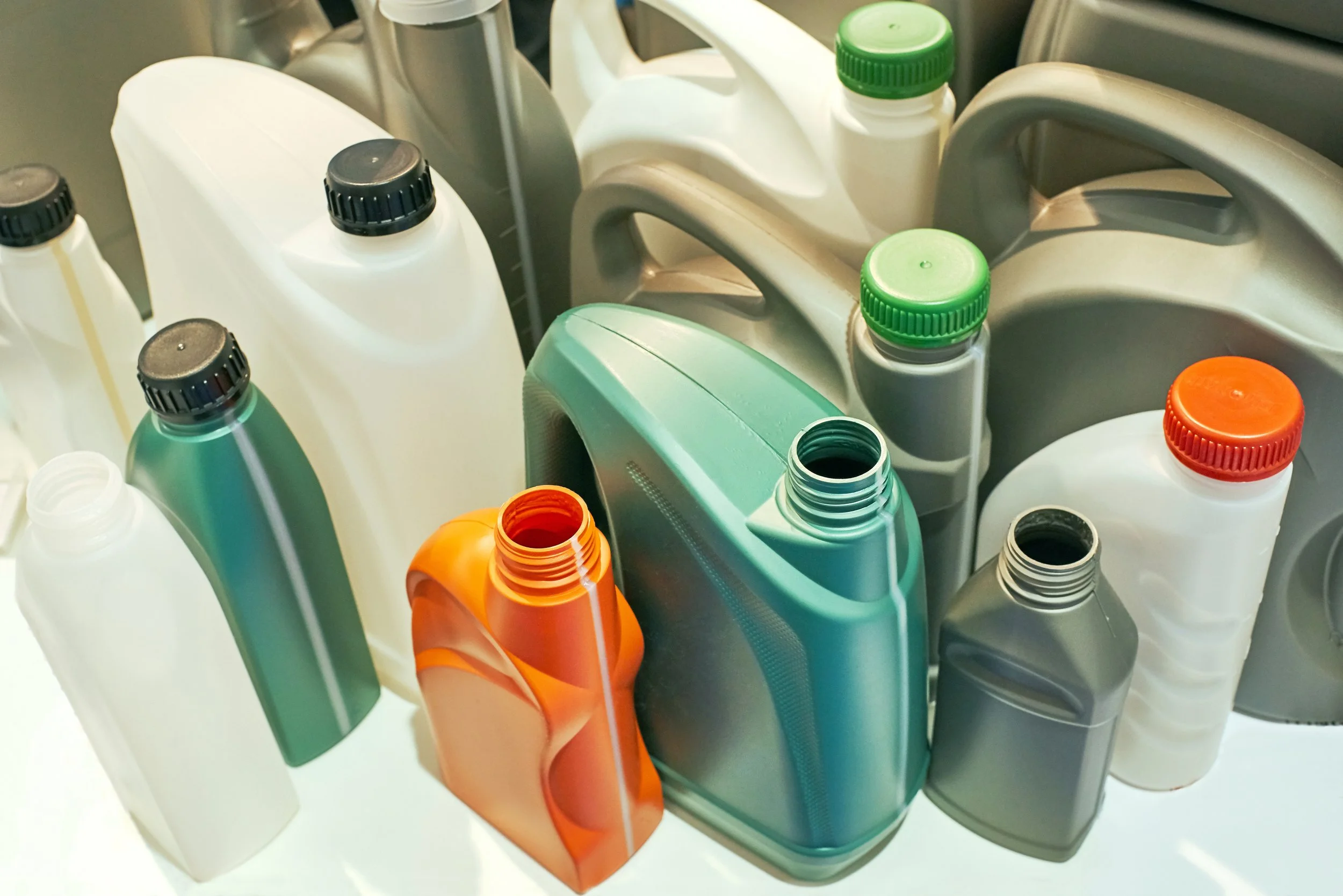
The NLCRC believes that EPR programs should deliver on their intent to collect and recycle all packaging materials, regardless of complexity or the unique characteristics of their products, and that the accountable PRO should be obligated to include these hard-to-recycle materials in the PRO Plan’s performance metrics. However, contaminated packaging materials, such as lubricant containers, should remain separated from curbside collections because leaked residual product can devalue other materials. PROs that represent non-curbside covered products, or hard-to-recycle categories such as lubricant containers should include performance targets for collection and recycling these materials in the initial PRO plan.
Individual or Alternative Collection Programs
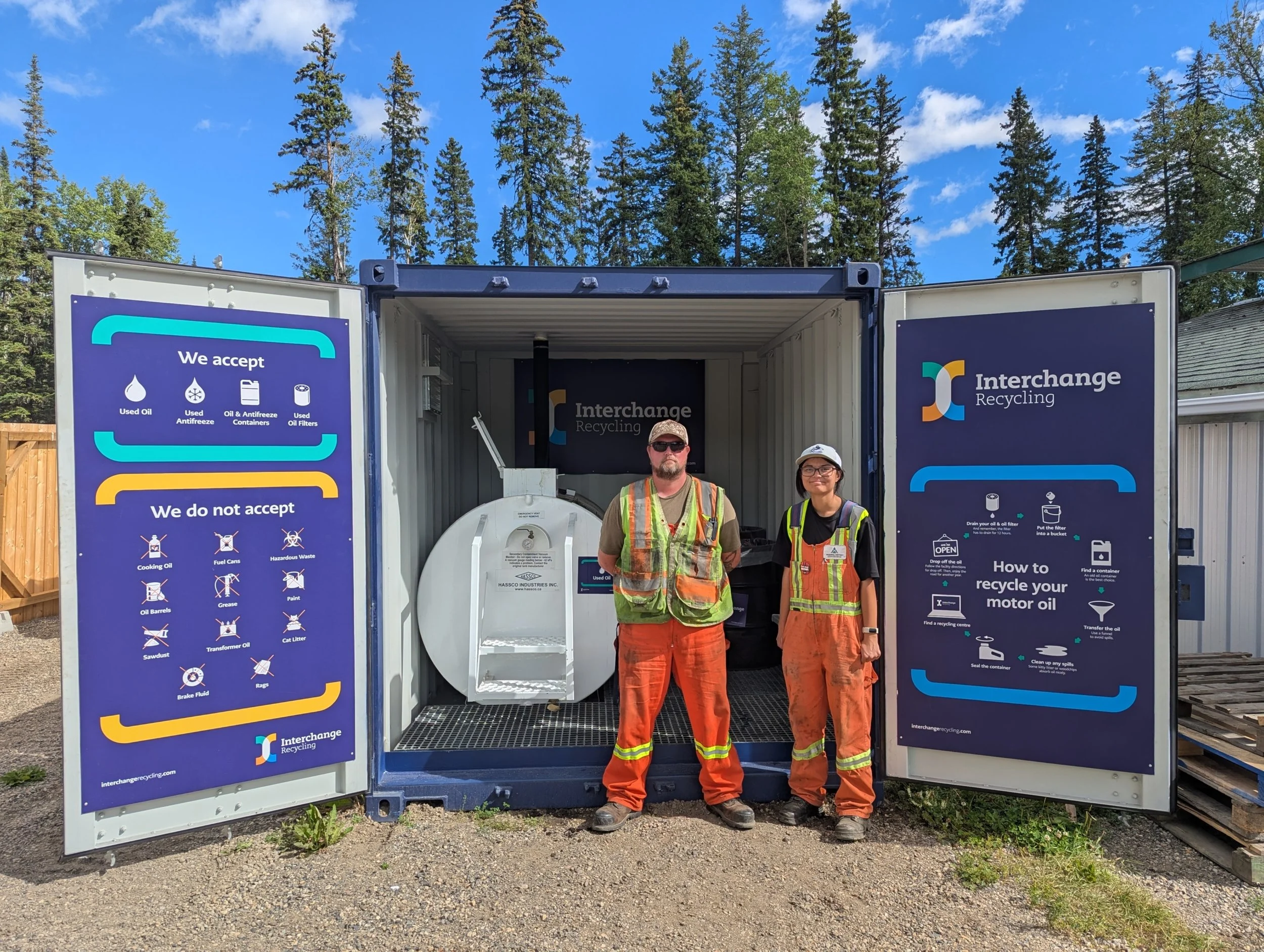
The NLCRC supports Individual Program Plans (IPPs), Alternative Collection Programs (ACPs), or similar provisions that allow for multiple Producers (or integrated industries) to develop non-curbside collection and recycling programs independent of the PRO.
States with single PROs do not include recycling of hard-to-recycle packaging in their plan, thereby denying lubricant Producers the benefits of a law that claims to promote recycling. Specialized products, such as lubricant containers, require specialized packaging to maintain integrity and prevent safety risks - collection and recycling programs must therefore also be specialized. Producers should have the opportunity to join an individual program or ACP upon approval of state regulations, with similar requirements as the PRO. Participating Producers of an IPP or ACP should not be required to register with both entities for the same products. Independent programs or ACPs should include the establishment of separate covered products and Producer fees.
Industry-controlled and Performance-based Approach
The NLCRC supports the concept of HHW EPR when it is outcome (performance) focused and opposes HHW EPR that establishes a funding methodology for municipalities without accountability.
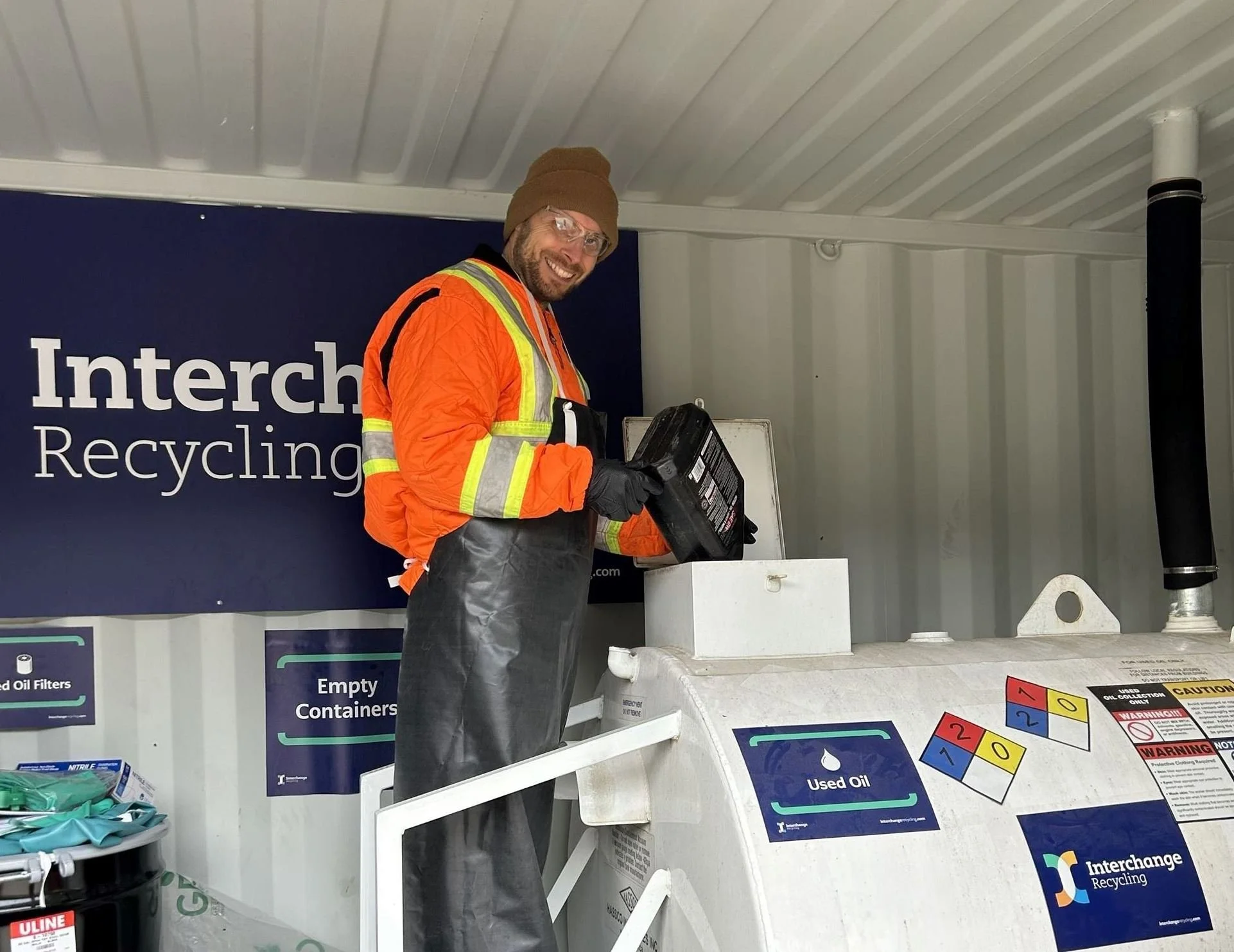
The NLCRC believes that all used lubricant products should be collected and properly disposed of, and to the extent practical, reused, recycled, or re-refined. Some post-consumer lubricant products are received by municipalities, depots, or collection events in the form of Household Hazardous Waste (HHW) and there is emerging EPR legislation to reimburse municipalities to manage HHW disposition. Industry should be given direct control over product-specific logistics and disposal versus reimbursements made to municipalities to offset management costs. A thorough assessment of the products collected at HHW facilities should be conducted prior to policy implementation to ensure equity across industries and categories obligated by HHW EPR laws. Because of the high recyclability of used oil, antifreeze, and other lubricant products, the NLCRC favors policies that allows for the separation of lubricant products and packaging from other HHW covered products.

Fee Transparency
The NLCRC supports EPR programs that provide clear and transparent fees to the public and visible to consumers.
EPR program funding is allocated to Producers in the form of fees. Unlike similar packaging used in other industries (e.g., consumer products), fees are greater for hard-to-recycle packaging, which includes lubricant products, due to the added complexity of collecting, transporting, sorting, and recycling of contaminated materials. Producers subject to regulatory packaging requirements that result in hard-to-recycle materials face significant financial impacts under EPR programs, which can be especially challenging for small businesses. Following the Canada EPR models for lubricant packaging and products, the NLCRC supports transparency in fee structures for environmental handling costs. This approach allows all businesses to remain competitive, ensuring a level playing field. When fee transparency is restricted, costs (similar to a tax) are “hidden” from consumers, preventing them from making purchasing decisions based on environmental choice.
Incentives for Packaging Material Changes
The NLCRC believes that EPR programs should focus on the post-consumer collection and recycling system for covered products, and not regulate or incentivize/penalize Producers for changing packaging format choices or material selection, such as source reduction incentives or material bans.
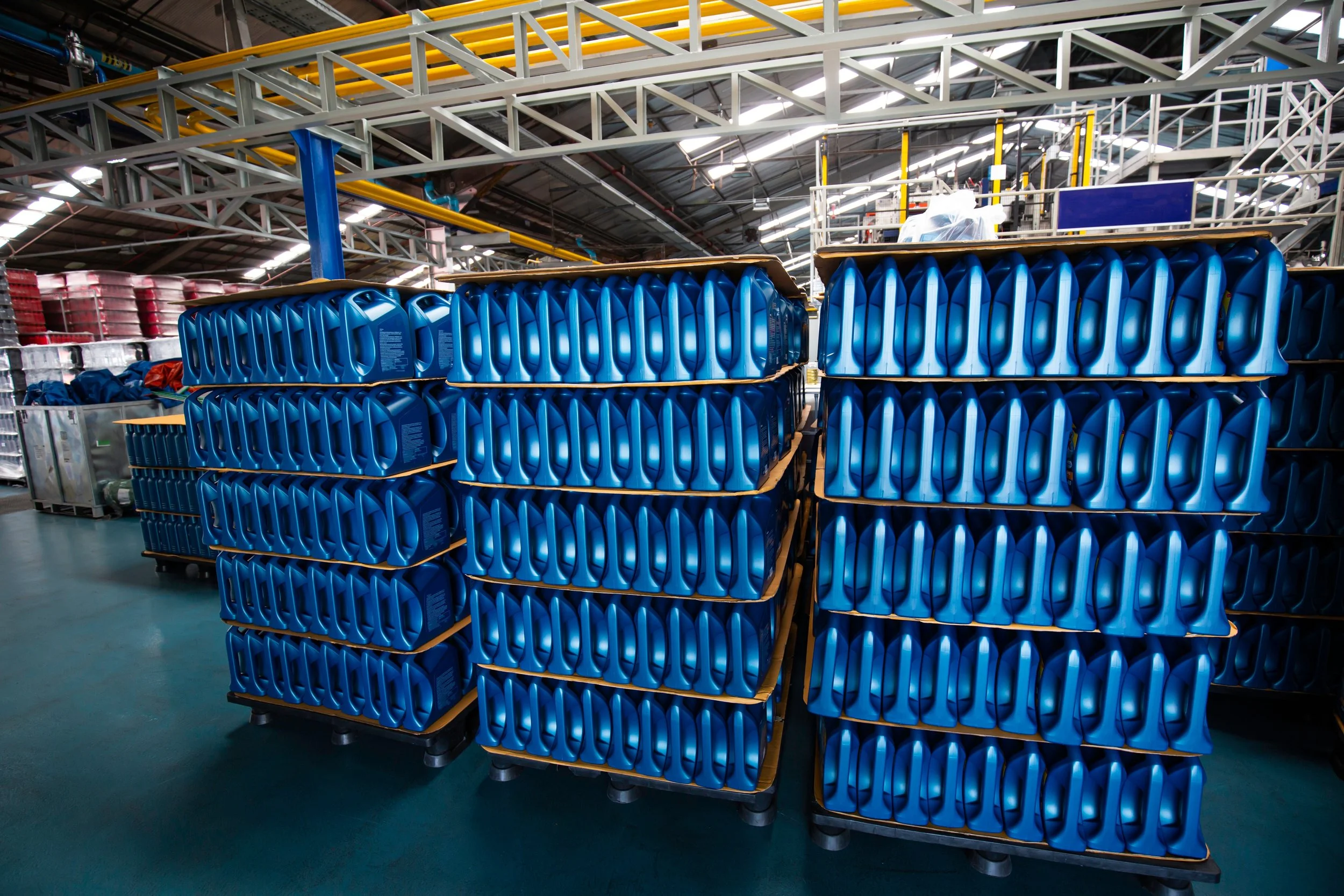
The lubricant industry has a long history of ensuring packaging integrity to minimize health and safety risks, and environmental incidents. Recycling laws should not interfere with these obligations or in any way reward or incentivize producers, possibly in the form of fee changes, for reducing the amount of packaging material or switching material types. Any change in packaging format or material should undergo comprehensive testing to ensure safety performance obligations are sustained, and where appropriate, science-based life cycle assessments should be conducted to study the benefits and environmental impacts of packaging material changes.

Relevant Publications and References
Lubricant Products and Packaging Bill in California (CA AB 2245)
February 19, 2026 - The NLCRC is sponsoring California AB 2245, an EPR program focused on collecting and recycling automotive, lubricant and related products that are received at authorized municipalities and Household Hazardous Waste (HHW) collection sites, excluding used oil, which is already managed by California’s Used Oil Recycling Program.
The EPR program will also include all single use packaging for automotive, lubricant and related products throughout the state that are currently managed under SB 54, the Plastic Pollution Prevention and Producer Responsibility Act.
CA AB 2245: Lubricant Waste and Packaging Producer Responsibility Act of 2026
Lubricant Products and Packaging Bill in Illinois (IL SB 3157)
February 2, 2026 - The NLCRC is sponsoring Illinois SB 3157, an industry-led EPR program tailored specifically to automotive, lubricants and related products. The program will include management and recycling/disposal of covered products at HHW collection locations available to the public, and single-use packaging for those products at both business and non-business locations throughout the state.
IL SB 3157: Lubricant and Related Product Producer Responsibility Act
Colorado Approval of Interchange 360 Individual Program Plan
September 2025 - The Colorado Department of Public Health and Environment (CDPHE) approved the Interchange 360 Individual Program Plan. Colorado’s approach allows for independent programs rather than requiring a single PRO, giving producers flexibility and encouraging innovation while maintaining accountability. Following extensive collaboration with CDPHE and the Colorado Producer Responsibility Advisory Board, LPMA’s approved plan will oversee petroleum and automotive-related packaging under the state’s recycling program—representing a major win for producers, Colorado, and the future of EPR in the U.S.
Colorado EPR Program, with links to the Interchange 360 IPP and Approval