

Recycling and Recycled Content
Whether driven by EPR or through separate legislation, achieving a vision of a more circular value chain requires a collaborative, and often multi-industry approach towards recycling harmonization. Consistent definitions, standards, and methods for measuring performance are essential. These principles focus on establishing consistency and uniformity in recycling and recycling content legislation.
Recycling Technologies
The NLCRC supports the implementation of technologies to convert post-consumer plastics, including hard-to-recycle materials, into high-quality feedstock for new packaging materials. Advanced recycling offers a promising solution to complement mechanical recycling by converting a broader range of plastic waste streams into valuable raw materials.
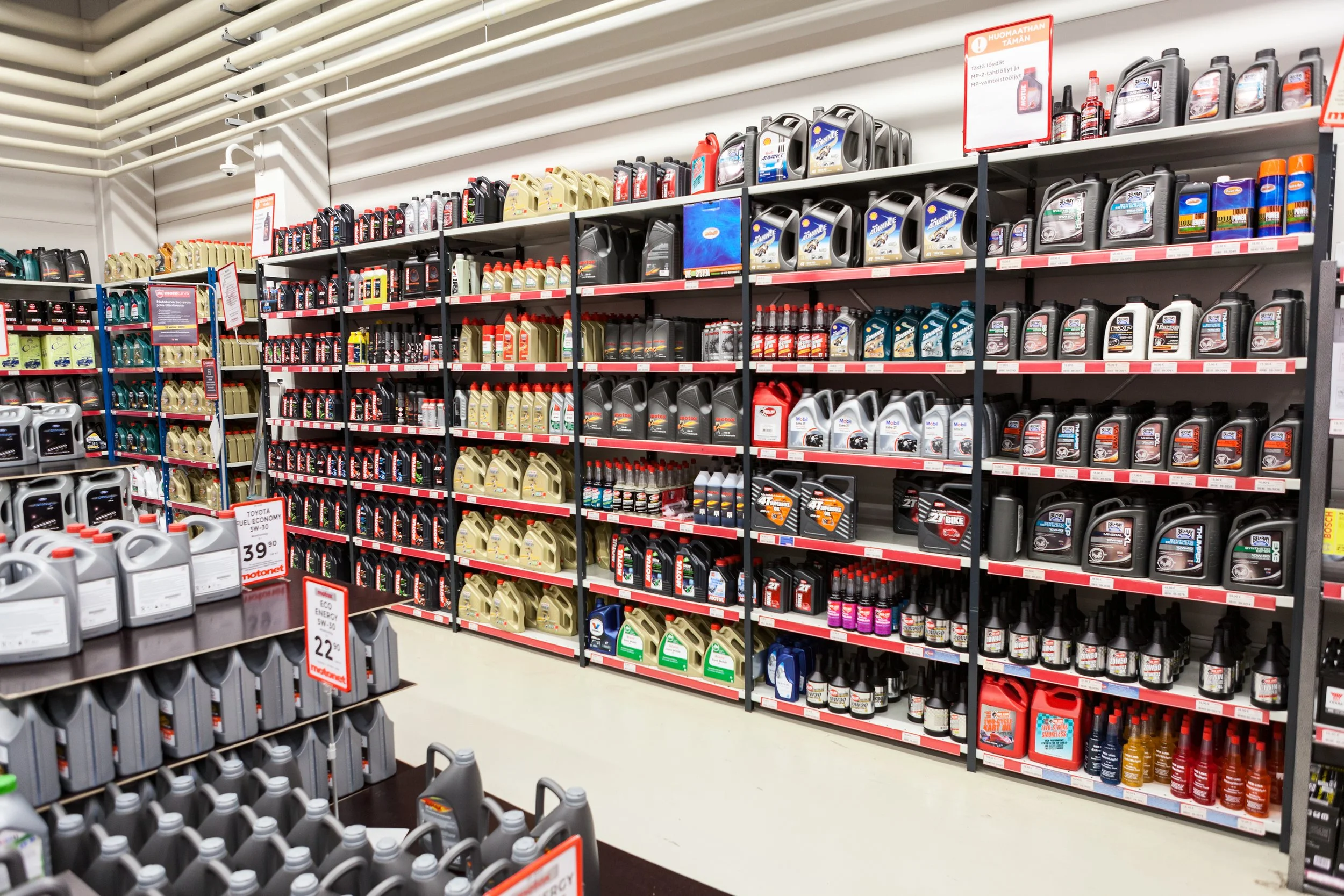
Lubricant and related packaging are considered "hard-to-recycle" because of the residual product remaining in the package after use, and when combined with curbside eligible packaging, will cause contamination that de-values the material. Mechanical recycling capacity of hard-to-recycle plastics in the U.S. is limited, and the value of post-consumer mechanically recycled content decreases as the percentage of PCR in packaging increases. To ensure societal goals of recyclability and the NLCRC’s goals for circularity are achievable, the NLCRC endorses any technology capable of recycling lubricant packaging, including advanced recycling. The NLCRC supports advanced recycling processes that consistently yield high-quality outputs suitable for use as substitutes for virgin fossil-based materials. These technologies must operate in full compliance with all applicable federal, state and local permitting requirements to ensure environmental and regulatory integrity

Recycled Content Performance Goals
The NLCRC supports recycled content legislation when performance goals are based on current market conditions and achievable at scale when factoring infrastructure growth and technology innovation.
New (or modifications to) post-consumer recycled (PCR) legislation that seeks to define recycled content goals should include an assessment of the current market performance and capabilities and ensure that safety and environmental design considerations of packaging are sustained. NLCRC supports policy and voluntary measures to increase recycled content that includes advanced recycling and the use of mass balance accounting for substantiating recycled content claims, provided it follows a recognized third-party certification system.

Recycled Content Verification
The NLCRC supports third-party verification methods for PCR content to confirm that the recycled material claims for packaging are accurate, measurable, and documented.
Some state EPR laws include phased-in post-consumer recycled material content requirements for Producers. Certification is necessary to verify the amount of post-consumer recycled material in packaging. Policy and regulatory frameworks should recognize both the “Chain of Custody Segregated model” and the “Mass Balance” verification methods. Verification methods must be backed by independent third-party certification and thorough documentation to guarantee transparency and credibility. Only recycled materials physically incorporated into products or represented by verified credits should be counted.

Relevant Publications and References
Verification Methods of PCR Content in Lubricant Packaging
March, 2026 - An overview of the methods for third-party PCR verification, supported by the NLCRC
NLCRC Supports the RLC’s Sponsorship of RMAA
February, 2026 - The NLCRC supports the Recycling Leadership Council’s sponsorship of the Recycled Materials Attribution Act (RMAA).
Making Automotive-Related Packaging Sustainable
April, 2024 - A pilot program to explore the feasibility of building a sustainable model in the US market.